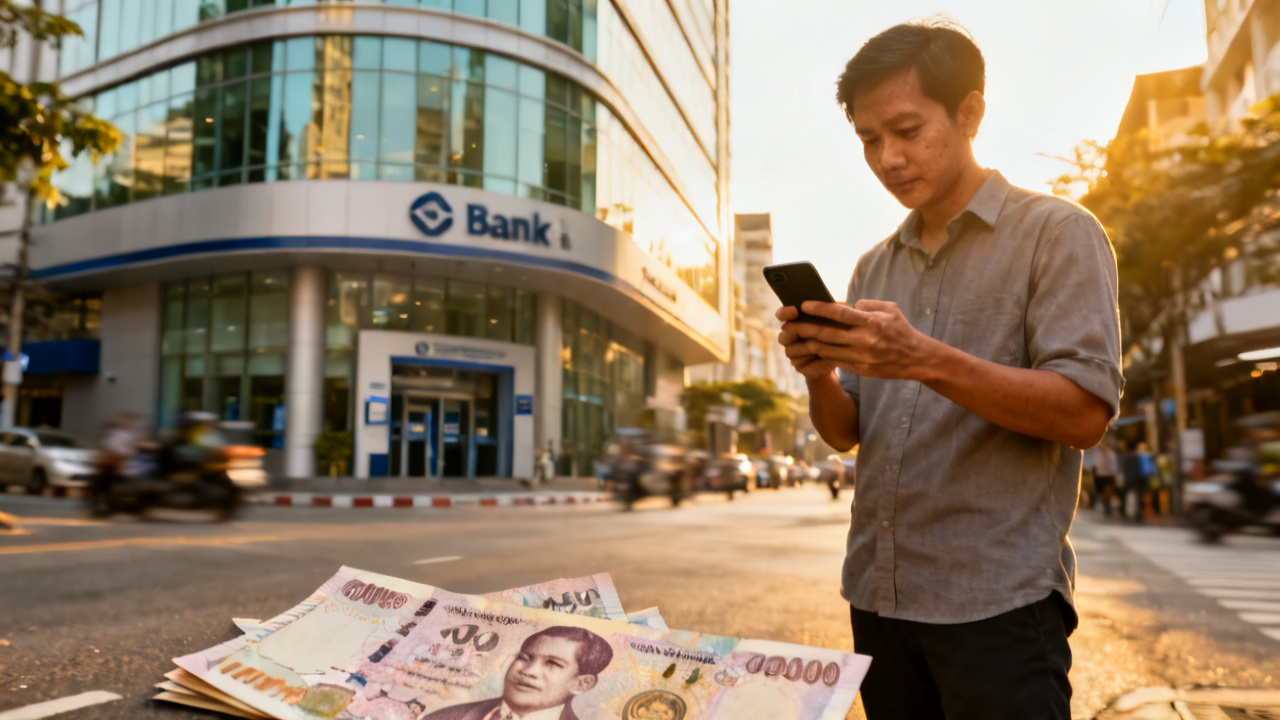
Thailand Remittance Fees Comparison: Bank Deposit, Cash Pickup & Mobile Wallet
Compare fees, FX markup, and payout speed for sending money to Thailand. Learn when bank deposit, cash pickup, or mobile wallet is best.
Trust & transparency
- Last updated: 2026-06-05
- Reviewed by: SEARateGuide Editorial Team
- Not financial advice: This page is informational only and SEARateGuide does not process money transfers.
- Verify at checkout: Confirm final fees, exchange rates, limits, payout options, and timing with the provider before sending.
Sources and methodology
- SEARateGuide Methodology
- SEARateGuide Data Sources
- Provider official pricing pages and final checkout quotes should be verified before a transfer.
Key takeaway
When sending money to Thailand, the total cost includes both the transfer fee and the foreign exchange markup. Payout method matters: bank deposits are often cheapest for larger amounts, cash pickup offers speed and accessibility, while mobile wallets can be convenient for smaller, instant transfers. Always verify final costs at provider checkout as rates and fees change.
Understanding the True Cost of Sending Money to Thailand
When comparing remittance services for Thailand, it's essential to look beyond the headline transfer fee. The total cost includes two main components: the transfer fee (a fixed or percentage-based charge) and the foreign exchange (FX) markup. The FX markup is the difference between the mid-market rate and the rate offered by the provider. Even a small markup can significantly increase the cost, especially for larger transfers.
Additionally, the payout method you choose—bank deposit, cash pickup, or mobile wallet—can affect both the fees and the exchange rate. Some providers offer better rates for certain payout options, while others may charge extra for convenience. Always check the full cost breakdown before confirming a transfer.
- Transfer fee: charged by the provider for processing the transaction.
- FX markup: the hidden cost in the exchange rate, often 1-3% above the mid-market rate.
- Payout method: bank deposit, cash pickup, or mobile wallet each have different fee structures.
Bank Deposit: Best for Larger, Scheduled Transfers
Direct bank deposit to a Thai bank account is the most common payout method. It's ideal for larger amounts (e.g., over $500) because the transfer fee is often a flat rate, making it more cost-effective for bigger sums. Bank deposits typically take 1-3 business days, though some providers offer same-day or next-day delivery for an extra fee.
However, bank deposits may have higher FX markups compared to other methods. Also, the recipient must have a Thai bank account, and you'll need their account number and bank code. Some providers impose minimum transfer limits (e.g., $50) and maximum limits (e.g., $10,000 per transaction).
- Best for: larger transfers, regular payments, or sending to a recipient with a Thai bank account.
- Typical speed: 1-3 business days; express options available at extra cost.
- Requirements: recipient's full name, bank name, account number, and bank branch code.
- Limits: vary by provider; check for minimum and maximum amounts.
Cash Pickup: Fast and Accessible for Unbanked Recipients
Cash pickup allows the recipient to collect Thai baht in cash from a local agent location, such as banks or money transfer partners. This method is ideal for recipients who don't have a bank account or need immediate access to funds. Cash pickups are often faster than bank deposits, with many providers offering instant or same-day availability.
On the downside, cash pickup fees can be higher, especially for smaller amounts. The FX markup may also be less favorable. Additionally, the recipient must present valid identification (e.g., passport or Thai ID) and may need to provide a reference number. Agent locations are widespread in Thailand, but availability in rural areas may be limited.
- Best for: urgent transfers, unbanked recipients, or small to medium amounts.
- Typical speed: instant to same day, depending on provider and location.
- Requirements: recipient's full name, reference number, and valid ID.
- Limits: often lower maximums (e.g., $3,000 per transaction) and higher fees for small amounts.
Mobile Wallet / Bank App: Convenient for Small, Instant Transfers
Mobile wallet and bank app payouts are growing in popularity. Recipients receive funds directly into their mobile wallet (e.g., TrueMoney Wallet) or bank app. This method is often the fastest—sometimes instant—and can be very convenient for small transfers (e.g., under $200). Fees may be lower than cash pickup, but FX markups can vary.
However, not all providers support mobile wallet payouts, and the recipient must have a compatible app. Limits are typically lower (e.g., $500 per transaction). This method is best for tech-savvy recipients who prefer digital money.
- Best for: small, instant transfers to recipients with mobile wallets or bank apps.
- Typical speed: instant to a few minutes.
- Requirements: recipient's mobile number or app account details.
- Limits: lower maximums (e.g., $500) and may have daily or monthly caps.
Checkout Checklist: What to Verify Before Sending
Before finalizing any transfer, always verify the following at the provider's checkout page: the total amount the recipient will receive in Thai baht, the transfer fee, the exchange rate applied, the estimated delivery time, and any additional charges (e.g., intermediary bank fees). Also confirm the payout method availability and any limits that may apply.
Rates and fees change frequently, so never rely on advertised rates alone. Use SEARateGuide to compare options, but always confirm the final cost with the provider. This ensures you get the best deal for your specific transfer.
- Total recipient amount in THB after all fees and markup.
- Exchange rate used (compare to mid-market rate).
- Transfer fee (flat or percentage).
- Estimated delivery time and any express options.
- Payout method availability and any special requirements.
When Each Payout Method Is Best
Choosing the right payout method depends on your priorities. For large, non-urgent transfers to a bank account, bank deposit is usually cheapest. For urgent cash needs or unbanked recipients, cash pickup is fastest. For small, instant digital transfers, mobile wallet is most convenient.
Remember that the best method for one transfer may not be best for another. Always compare total costs across providers and payout methods. Use SEARateGuide to see your options, then verify at checkout.
Disclaimer
SEARateGuide is an information-only comparison tool and does not process money transfers. Fees, exchange rates, limits, delivery estimates, and payout availability can change. Confirm the final quote on the provider's official checkout page before sending.
Frequently asked questions
What is the cheapest way to send money to Thailand?
The cheapest method depends on the transfer amount, payout method, and provider. Generally, bank deposits have lower fees for larger amounts, while mobile wallets may be cheaper for small transfers. Always compare the total cost (fee + FX markup) for your specific transfer.
How long does it take to send money to Thailand?
Delivery times vary: bank deposits typically take 1-3 business days, cash pickup can be instant to same day, and mobile wallet transfers are often instant. Some providers offer express options for an extra fee.
Can I send money to a Thai bank account from abroad?
Yes, most remittance providers support direct bank deposits to Thai bank accounts. You'll need the recipient's bank name, account number, and branch code. Some providers also support transfers to Thai mobile wallets.
What information do I need for a cash pickup in Thailand?
You'll need the recipient's full name (as on their ID), a reference number provided by the sender, and a valid ID (passport or Thai ID card) for pickup. The recipient may also need to answer a security question.